
Ground Conditions That Support Construction Success
Site Preparation in Carrollton for properties requiring complete development from land clearing through grading, drainage, septic installation, and final surface preparation
Site preparation transforms undeveloped land into construction-ready ground by combining land clearing, excavation, grading, house pad construction, trenching, drainage improvements, and septic installation into a coordinated process. Each phase builds on the previous work—clearing provides access for excavation equipment, excavation establishes elevations for grading, and grading creates surfaces that support construction activities and manage water properly. Downs Plumbing Services handles turnkey site preparation for residential construction projects across Carrollton, streamlining the development process and reducing coordination delays that occur when multiple contractors work in sequence without integrated planning.
Complete site preparation involves removing vegetation and obstacles, excavating to establish building elevations and foundation depths, grading surfaces to create proper drainage away from structures, cutting trenches for septic systems and utility lines, and preparing stable house pads that provide level, compacted surfaces for foundation construction. Experienced operators adjust the work sequence based on site conditions encountered—rock layers may require blasting or specialized equipment before excavation can proceed, soil types influence compaction techniques and drainage design, and existing topography determines how much cut-and-fill is needed to achieve planned grades.
Schedule a consultation and estimate for complete site preparation tailored to your construction timeline and property conditions.
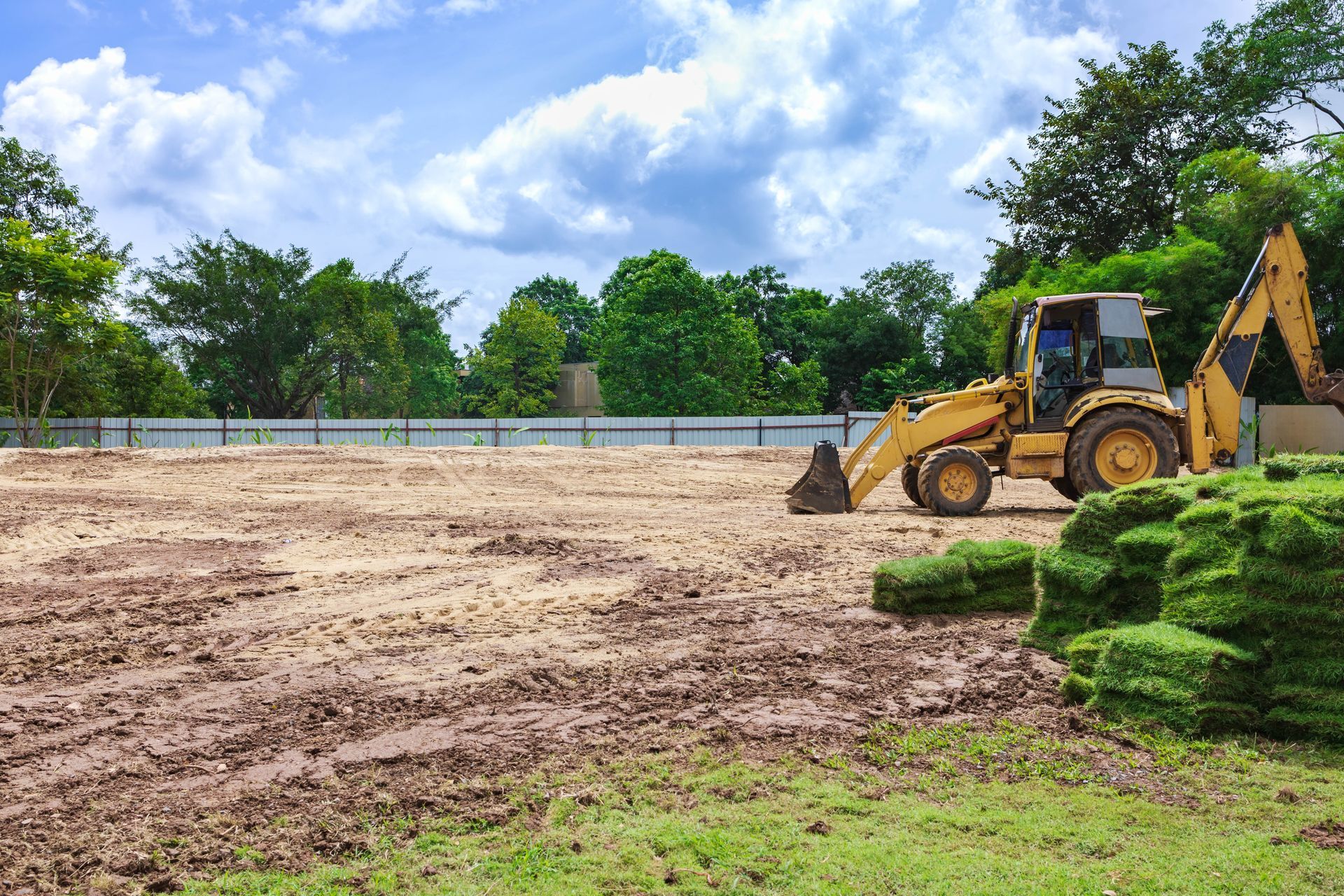
The Difference Between Prepared and Unprepared Sites
Careful planning before building begins prevents construction delays caused by inadequate access, unstable foundation surfaces, or drainage problems that emerge only after structures are built. Site preparation establishes grades that direct water away from building areas, creates level house pads that allow accurate foundation layout, and installs septic systems before foundation work limits access for excavation equipment. Turnkey preparation means one provider coordinates all phases, so excavation doesn't create drainage problems that later require regrading, and trenching for utilities happens at logical points in the sequence rather than disrupting completed work.
After site preparation is finished, you see cleared access routes that allow concrete trucks and material deliveries to reach work areas without getting stuck, level building pads ready for foundation forming and concrete placement, and graded surfaces that shed water during construction and after the building is complete. Septic systems are installed and inspected before foundation work begins, eliminating scheduling conflicts between excavation equipment and active construction. Drainage features function immediately, keeping the site workable during rain and protecting completed work from water damage.
The service includes coordination with homeowners, general contractors, and builders to align site preparation with project schedules and permit requirements. Dependable equipment and quality workmanship ensure that the prepared site supports construction activities without requiring rework or additional grading to correct problems that should have been addressed during initial preparation. Site preparation sets the foundation for efficient building progress and long-term property performance.
Questions Before Starting Your Project
Homeowners and builders planning construction want to understand how site preparation supports successful project execution and what the process involves.
What does complete site preparation include for a residential building project?
Complete preparation typically includes clearing vegetation and debris, excavating to required depths for foundations, grading to establish proper drainage and building elevations, trenching and installing septic systems, and creating stable, compacted house pads ready for foundation construction.
How does site preparation timing affect the overall construction schedule?
Site preparation occurs first, establishing access and working surfaces before other trades arrive. Efficient preparation keeps the project on schedule by ensuring that foundation contractors, framers, and utility installers can begin work without delays caused by incomplete grading or inaccessible site conditions.
What site conditions in Carrollton affect preparation requirements?
Soil types vary across properties—some areas have clay that holds moisture and requires drainage planning, others have sandy soil that drains quickly but may need stabilization for foundations. Topography determines how much grading is needed to create level building areas and positive drainage away from structures.
Why is turnkey site preparation more efficient than hiring separate contractors?
Turnkey preparation eliminates coordination delays between clearing, excavation, grading, and septic installation. One provider sequences the work logically, uses equipment efficiently across multiple phases, and avoids rework caused by contractors undoing each other's completed work.
What should property owners have ready before site preparation begins?
Building plans showing foundation locations and elevations, septic system designs approved by local health departments, property surveys identifying boundaries and easements, and utility locations marked to prevent damage during excavation all help site preparation proceed without interruptions.
Downs Plumbing Services provides site preparation for homeowners, contractors, builders, and property owners throughout the region. Contact the office to discuss your project requirements and arrange preparation services that align with your construction timeline and site-specific conditions.