Restoring Function When Systems Stop Working Properly
Septic System Repair & Replacement in Carrollton for rural properties experiencing slow drainage, backups, or wet spots in the drain field area
Septic systems show signs of failure through slow drains, sewage backups into the home, persistent foul odors near the tank or drain field, or wet, soggy patches in the yard where effluent surfaces instead of absorbing into the soil. Downs Plumbing Services addresses these issues in Carrollton by excavating damaged components, determining whether repairs can restore function or whether full replacement is necessary, and completing the work with attention to long-term performance rather than temporary fixes. Properties that depend on private septic systems need honest assessments when problems develop, because ignoring failing components leads to health hazards, property damage, and more expensive corrections later.
Repair work addresses issues like cracked tanks, failed baffles, clogged distribution lines, or drain fields that have reached capacity due to soil compaction or biomat buildup. Replacement becomes necessary when tanks have deteriorated beyond practical repair, when drain fields no longer absorb effluent despite maintenance efforts, or when older systems don't meet current capacity requirements for the home.
Contact the company if you notice septic system warning signs that indicate components may need attention before failure becomes severe.
Why Septic Systems Fail and How to Address It
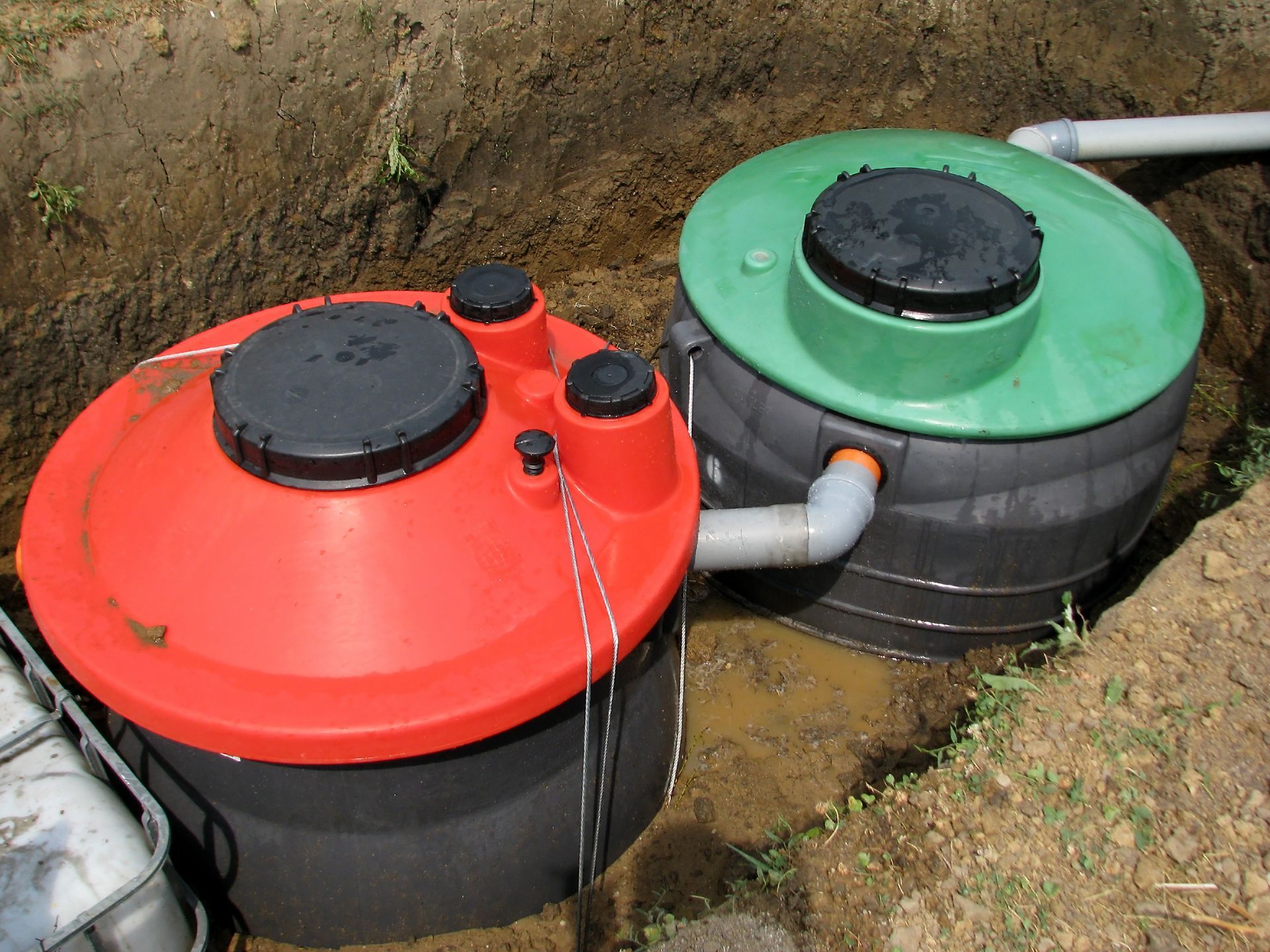
Septic failures typically result from physical damage to tanks or pipes, drain field soil becoming saturated and unable to absorb more liquid, or system age causing structural deterioration that prevents proper wastewater treatment. Excavation exposes the damaged components, allowing for assessment of whether targeted repairs—such as replacing a section of distribution piping or rebuilding a baffle—will solve the problem or whether the entire system has reached the end of its functional life.
After repair or replacement work completes, drains inside the home empty normally without slow flow or gurgling sounds, sewage no longer backs up into fixtures during heavy water use, and the yard remains dry over the drain field area even during wet weather. Odors disappear, and the system handles daily household wastewater without signs of stress or impending failure. Careful excavation and site restoration throughout the process minimize disturbance to landscaping and surrounding property.
Repair services focus on fixing specific failed components when practical, while replacement involves installing a new system that meets current regulations and household capacity needs. Neither service includes routine pumping, which homeowners should schedule separately on a regular maintenance cycle to extend system life.
Questions Homeowners Ask About Septic Problems
Concerns about failing septic systems often center on cost, urgency, and whether repair or replacement makes more sense for aging infrastructure.
What are the first signs that a septic system needs attention?
Slow drains throughout the home, gurgling sounds in plumbing, sewage backups during water use, wet areas or standing water over the drain field, and persistent odors near the tank or yard are all indicators that the system isn't processing wastewater properly.
How do you determine whether repair or replacement is needed?
Excavation and inspection reveal the extent of damage, the condition of the tank and drain field components, and whether the system's design still meets household capacity requirements, guiding the recommendation toward targeted repairs or complete replacement.
What causes drain fields to stop absorbing effluent?
Soil in the absorption area becomes clogged with biomat—a layer of organic material that forms when bacteria process wastewater—or the ground becomes compacted from vehicle traffic, tree roots, or prolonged saturation, reducing its ability to accept more liquid.
How long do septic systems typically last before needing replacement?
Concrete tanks often function for several decades if maintained properly, but drain fields may fail sooner if soil conditions change, household water use increases beyond original design capacity, or maintenance schedules lapse and allow solids to reach the absorption area.
Can septic repairs be done in winter or during wet weather?
Excavation and component replacement are possible in most conditions, though excessive rain or frozen ground can complicate site access and soil compaction, sometimes requiring delays until conditions improve for proper installation and site restoration.
Downs Plumbing Services provides dependable workmanship and honest recommendations for rural properties throughout Carrollton, focusing on solutions that restore long-term system performance. Reach out to discuss your septic concerns and determine the best course of action for your property.