Foundations That Start with Stable Ground
House Pad Construction in Carrollton for new homes, garages, workshops, and barns that require prepared building surfaces with controlled elevation and drainage
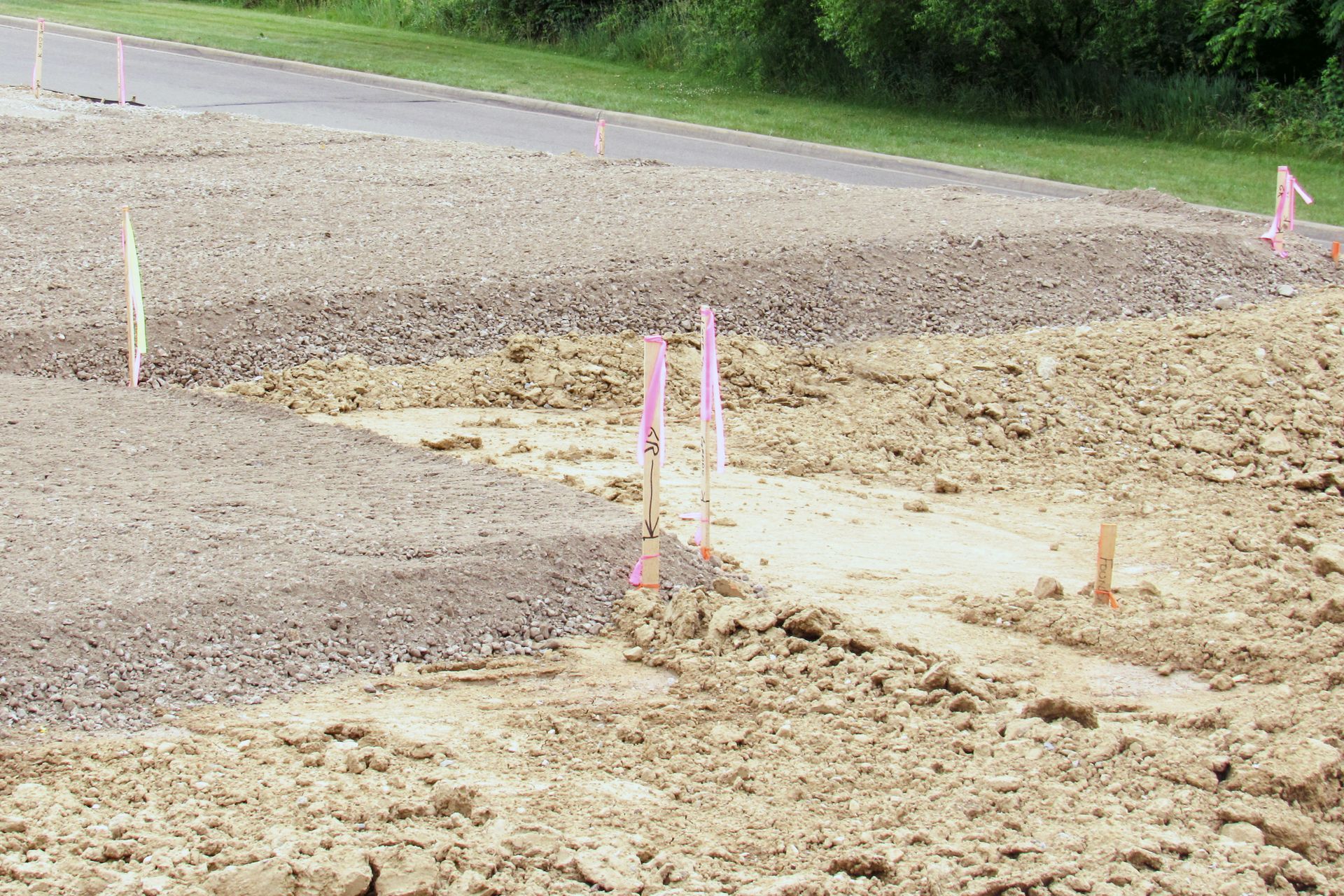
A stable house pad prevents foundation movement, water intrusion, and settling issues that begin during construction and compound over decades. Downs Plumbing Services prepares building pads in Carrollton by excavating to the required depth, grading the surface to match elevation plans, and compacting soil in measured lifts to create a dense, load-bearing base. Homeowners, builders, and contractors schedule this work before foundation forms or slab pours begin, ensuring structures rest on ground that won't shift under weight or soften during wet seasons.
The preparation process includes removing unsuitable topsoil, bringing in structural fill when native soil lacks adequate bearing capacity, and using compaction equipment to eliminate voids that would otherwise allow settling. Final grading establishes drainage slopes that direct water away from the building footprint, and elevation checks confirm the pad meets the project's specifications before foundation crews arrive.
Arrange an on-site consultation to assess soil conditions and determine the pad preparation approach your project requires.
How House Pad Preparation Supports Long-Term Durability
Excavation removes organic material and unstable soil layers that compress unevenly under load, while controlled fill placement and mechanical compaction create a uniform surface that distributes structural weight consistently. Each soil layer receives compaction passes with plate compactors or vibratory rollers, and moisture content gets adjusted as needed to achieve the density required for the soil type being used.
After pad construction completes, the building surface sits at the correct elevation relative to surrounding grade, with positive drainage that prevents water from pooling against future foundation walls. The compacted pad resists rutting under heavy equipment during construction, and the soil remains stable through seasonal moisture changes rather than expanding or contracting enough to stress foundation elements. Structures built on properly prepared pads experience fewer cracks, less differential settling, and better protection from groundwater compared to those placed on inadequately prepared ground.
House pad services focus on creating a stable building surface and do not include foundation installation, concrete work, or permanent drainage systems, which contractors typically handle as separate phases. The scope covers excavation, soil preparation, compaction, and grading to the point where foundation work can proceed safely and effectively.
Common Questions About Building Pad Preparation
Homeowners and builders often ask about soil requirements, preparation standards, and how pad work coordinates with foundation timelines.
What determines whether native soil or fill material is used for a house pad?
Soil bearing capacity tests and moisture stability assessments indicate whether existing soil can support the planned structure or whether imported fill with known compaction characteristics is needed to meet engineering requirements.
How is compaction verified during pad preparation?
Operators make multiple passes with compaction equipment over each soil lift, and the finished pad's firmness is checked by observing how equipment tracks the surface and, when specified, through density testing that measures compaction percentage.
Why does proper elevation matter for house pads?
Elevation planning ensures the finished floor height positions the structure above surrounding grade and seasonal water levels, reducing the risk of moisture intrusion and allowing drainage systems to function as designed.
How long does a prepared house pad need to settle before foundation work starts?
Most pads are ready for foundation installation immediately after final compaction and grading approval, though builders sometimes allow a brief waiting period if weather conditions have introduced excess moisture into the soil.
What site conditions in Carrollton affect pad construction approaches?
The region's clay soils require careful moisture management during compaction because clay behaves differently when wet versus dry, and summer heat can cause rapid moisture loss that affects soil workability and compaction effectiveness.
Downs Plumbing Services brings precision and quality workmanship to every house pad project, working closely with builders and contractors to meet project timelines and specifications. Contact the company to request an estimate before your construction schedule begins.